

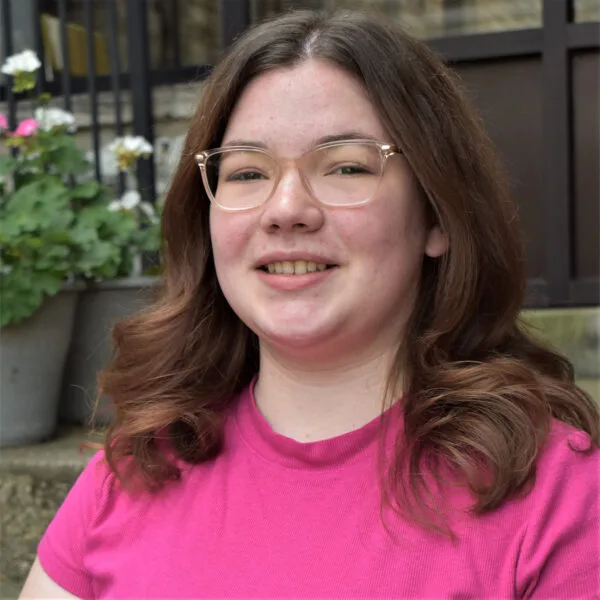
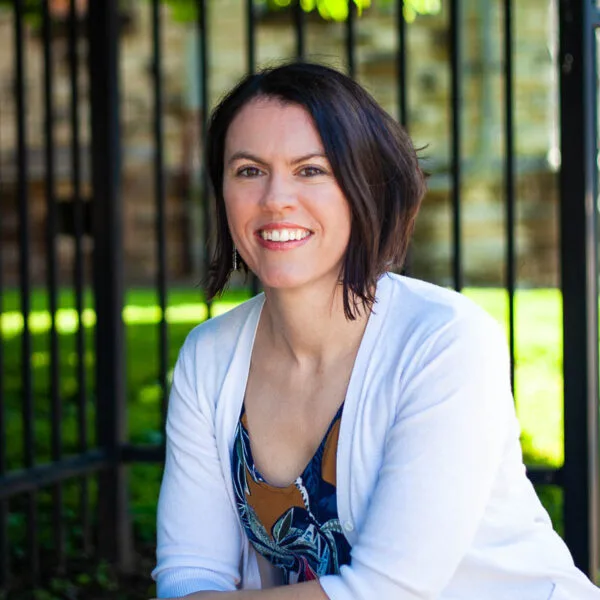
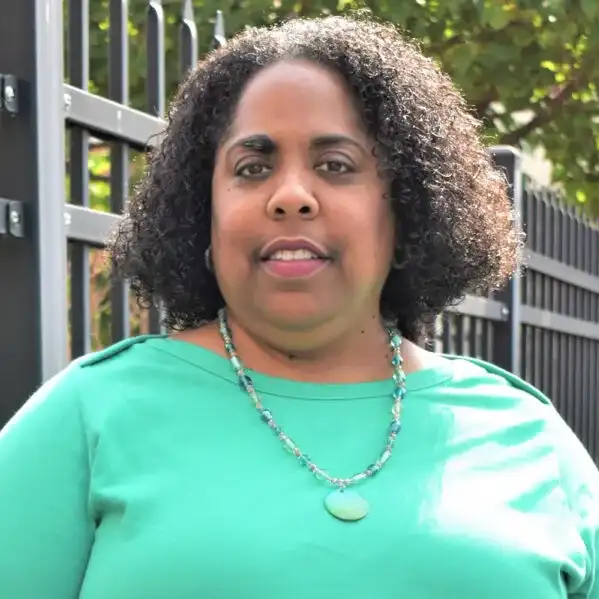
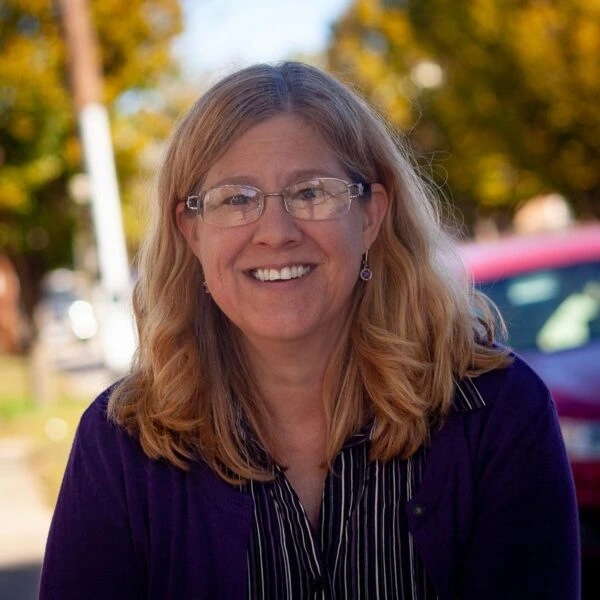
Our Team

Our History
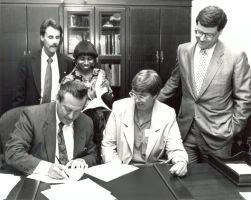
In 1978, as the nation faced high unemployment, spiraling interest rates, inflation and an energy crisis, Working In Neighborhoods (WIN) was born to help Cincinnati’s low and moderate-income residents.
WIN joined with local residents to create an organization that would help them gain a voice in issues affecting them. By working side-by-side with residents and training them to become leaders, WIN helped residents impact issues including utility reform, quality, affordable housing, and quality-of-life issues, such as decreasing crime.
Led by resident’s desire to live in decent homes and to physically improve their neighborhoods, WIN began developing homes in 1985. In order to educate residents about purchasing a home, WIN began offering homeownership classes and counseling. WIN also developed partnerships with local banks which have yielded over $300 million in investments for WIN’s neighborhoods.
In 1986, WIN collaborated with Cincinnati Gas & Electric to ensure that low and moderate-income residents could afford their utility bills. Through this partnership, WIN developed a program so that low-income residents pay no more that 30% of their income for utilities.
In 1999, WIN began developing the WIN Economic Learning Campus in South Cumminsville. The 5-building property on the site of the former St. Pius Church, is home to financial literacy seminars and counseling programs, as well as youth enrichment programs including the South Cumminsville Youth Summer Camp. In the fall of 2006, WIN developed 18 units of housing for senior citizens in the former St. Pius School.
Visit Working In Neighborhoods Guidestar Profile, including recent 990s and Annual Reports.
Building Thriving Communities Since 1978
For 48 years, WIN has empowered families through homeownership programs, financial literacy training, and community leadership development. By engaging residents where they are, WIN provides the tools and resources needed to create lasting change.
Community Building
WIN partners with residents to address systemic challenges, forming coalitions like the Beekman Corridor Coalition to tackle housing, economic development, and traffic safety. Community-led initiatives, such as WIN’s summer camp, community gardens, green infrastructure projects, dollar lots, a community market, and work to introduce traffic calming have transformed neighborhoods.
Housing Development
Since 1983, WIN has built 172 homes for low-to-moderate-income families, increasing homeownership rates and property values. WIN’s Near-Net-Zero Urban Village, launched in 2024, brings sustainable housing to underserved communities. Partnerships have also provided over 200 families with safe, affordable housing.
Economic Learning
WIN’s HUD-certified housing counselors have guided over 11,000 families toward homeownership. Through homebuyer education, rental counseling, and financial coaching, WIN helps families achieve housing and financial stability. Partnerships with local banks, United Way, LISC, and Hamilton County provide critical home repair grants and loans.
WIN In The News
Join Our Team
Mission of Working In Neighborhoods: Helping people create sustainable futures through community building, housing opportunities, and financial education. Working In Neighborhoods is an equal opportunity employer. Applicants must be able to pass a drug screen and background check.
Fund Development Director – Full Time
Accountable to: Executive Director
Position: The Fund Development Director is responsible for planning, organizing and implementing fund development strategies for WIN, especially the cultivation and stewardship of our donor base. The director directs and coordinatoes all fund development initiatives, including planned giving, annual giving, donor development and recognition, and special events. Provide supervision for fundraising team members. In coordination with other team members identify, develop, complete, and track targeted grant proposals.
Responsibilities:
- On-going communication and relationship building with new, current, and past donors.
- Ensure accuracy and timeliness of data base, including gift receipting, acknowledgements, and pledge reminders.
- Responsible for Annual Giving Campaigns and development of a strategy to increase the number of annual donors.
- Active team member for WIN’s Signature Fundraising event with the Marketing Associate
- Grant/foundation research, proposal writing, and outcome reporting in collaboration with other WIN staff.
- Provide presentations about WIN to potential supporters (individuals & groups).
- Develop donor recognition programs.
- Commitment to collaborate with the Executive Director to fulfill fund development strategies that advance WIN’s mission and values.
- Maintain a working knowledge of current fundraising trends
- Team leader for Marketing Associate and other fundraising team members/volunteers.
- Serves as staff liaison for Board Fundraising & Development committees
- Serves on the Administrative Team
Qualifications:
- Commitment to advance the mission and vision of WIN.
- Bachelor’s degree with 2 years’ experience in fund development
- Strong interpersonal communication and writing skills.
- Capacity to utilize appropriate technology to reach fund development goals.
- Focus on team-building and motivating our diverse staff, board members and other volunteers to be ambassadors for WIN and expand our philanthropic opportunities.
Compensation:
Salary range is $50,000 – $55,000 and includes health insurance benefits, paid time off, flexible spending account, and employee assistance programs.
Application process: Applicants should email a letter of interest, resume, and salary requirements to winfo@wincincy.org or submit by mail to Working In Neighborhoods, Attention: Personnel Committee 1814 Dreman Avenue, Cincinnati, Ohio 45223